
Even if you’re not the type to shout at a referee through the TV or memorise the injury record of every left-back since 2004, you can’t live in the North East without feeling the gravitational pull of football. It’s not just a sport here — it’s a language, a rhythm, a way of explaining who you are and where you belong.
And oddly enough, it may be the best business textbook the region has ever produced.
Football in the North East — whether it’s Newcastle United, Sunderland, Middlesbrough, Gateshead or the grassroots clubs where kids slide-tackle through puddles — is built on something businesses desperately chase but rarely achieve:
belonging, identity and loyalty that lasts decades.
The question is: what are football clubs doing that companies fail to understand?
And what can North East businesses learn from the region’s most powerful storytelling machine?
Football Isn’t a Brand — It’s a Narrative People Choose to Live Inside
Business strategy obsessively talks about “brand story,” usually in the driest tone imaginable — paragraphs about values, missions, and purpose that sound like they were assembled in a meeting room with fluorescent lights and no windows.
Football doesn’t do that.
Football doesn’t announce its story.
It lives its story.
Every club has a narrative structure:
Origins (working-class roots, community identity, local pride) Struggle (the heartbreak seasons, the nearly moments) Villains (owners, rivals, referees… take your pick) Heroes (players who become folklore) Redemption arcs (the seasons everyone still talks about)
This is storytelling with stakes, emotion, memory and mythology.
It’s no coincidence that people feel more loyalty to their club than to most companies they’ve ever interacted with.
Narratives create attachment.
Attachment creates loyalty.
Loyalty creates longevity.
Most businesses skip straight to the last step and wonder why it doesn’t work.
Loyalty Isn’t Bought — It’s Built Through Shared Experience
The North East is home to some of the most loyal fanbases in the world. You can argue about trophies, league positions and squad depth — but the loyalty is non-negotiable.
Why?
Because loyalty in football is not transactional.
It’s emotional, inherited and reaffirmed constantly.
Here’s how clubs build loyalty without even trying:
Consistency of identity — seasons change, but the soul doesn’t. Rituals — matchday routines, chants, kits, traditions. Community — you feel part of something bigger than yourself. Shared suffering — bizarrely, relegations bond people more than titles. Belief in the future — hope is a powerful currency.
Now translate that into business terms.
Imagine a North East company that:
communicates with the same clarity every year builds experiences, not just transactions invests in its community instead of just selling to it openly acknowledges the tough years makes customers feel part of the journey, not the target audience
That’s football logic.
And it works everywhere.
Identity Matters More Than Performance
Football clubs can be mid-table for a decade and still grow their fanbase.
Brands can have a flawless product and still be ignored.
Why?
Because people don’t attach themselves to performance — they attach themselves to identity.
The North East understands this intimately.
It’s a region that treats identity as a lived experience, not a marketing exercise. The values here — loyalty, honesty, resilience, humour — align perfectly with how football builds affinity.
Businesses often think the answer to growth is:
smoother websites bigger ad campaigns more polished messaging
These things help, but they’re not the engine of loyalty.
Identity is.
Where companies go wrong is assuming identity is static — a logo, a colour palette, a tagline. But identity is more like a football club:
it evolves it’s lived, not announced it comes from people, not the boardroom it must be defended, protected, embodied
A brand without identity is a club without fans: technically functional, but spiritually empty.
Football Shows That Community Isn’t a Marketing Strategy — It’s a Responsibility
Businesses love to use “community” as a buzzword. Football clubs actually commit to it.
Not performatively.
Not strategically.
Instinctively.
They invest in youth programmes, local initiatives, charities, facilities, cultural projects — not because it looks good, but because the club is the community.
That’s something I’ve always respected about the North East.
People don’t tolerate half-heartedness. If you claim to support the community, you actually have to show up. You can’t fake it; you can’t outsource it; you can’t schedule it into a content calendar.
Brands that win in this region treat community as a shared life, not an audience segment. They understand that loyalty flows both ways.
The North East Plays Football With Its Identity — And Businesses Should Too
Football taps into identity in ways businesses can learn from:
The pride of place — the region is woven into the story. The rituals — consistent, recognisable, meaningful. The humour — this region’s sense of humour deserves its own award. The hope — even after disappointment, belief returns. The togetherness — a collective voice, whether singing or sighing.
If North East businesses embraced even half of that approach, they’d become more memorable, more trusted, and more rooted in the culture they’re part of.
The Playbook for Businesses (Inspired by Football, Not Marketing Textbooks)
Here’s the practical version — the “football tactics board” for brand storytelling:
Tell the truth. Fans always know when you’re being false. Build rituals. Create repeatable, meaningful interactions. Acknowledge the hard years. Honesty builds credibility. Give people something to believe in. Not a slogan — a direction. Create heroes. Celebrate staff, customers, collaborators. Protect your identity. Don’t rebrand every time the wind changes. Make people feel part of something. Not just observers — participants.
This region responds to brands that behave more like clubs: proud, human, consistent, committed and worth believing in.
Loyalty isn’t an outcome.
It’s a relationship.
And football remains the greatest teacher of it.
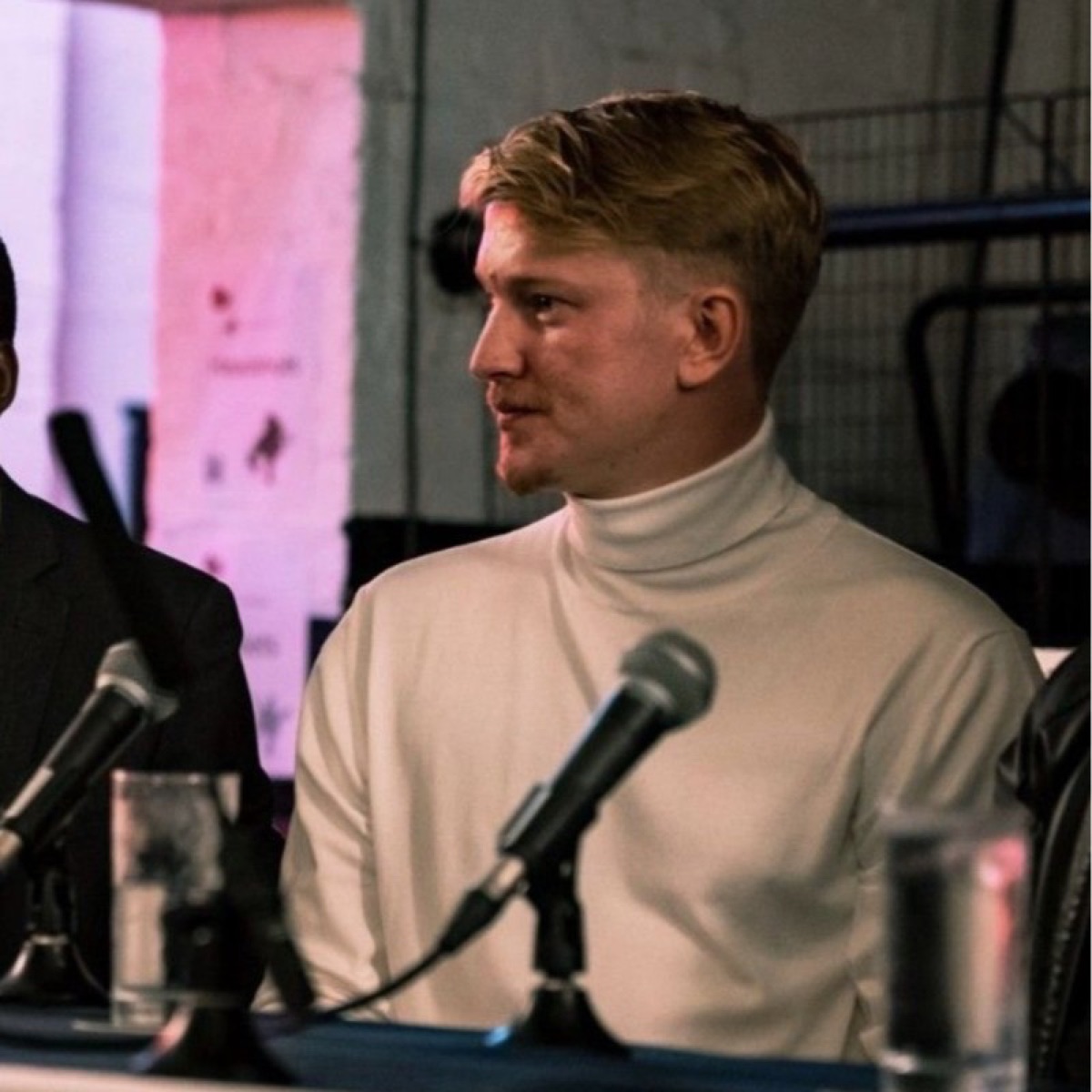
About Drew Hollinshead
As Co-Founder, Drew drives the creative vision. With over a decade leading high-growth teams, he translates complex business goals into impactful creative strategies.